Asphalt Repair and Patching in Tyler, TX
A small crack or pothole in asphalt rarely stays small. Water gets in, the base underneath softens, and traffic does the rest. Fixing it early is almost always simpler than waiting.
We handle asphalt repair in Tyler for driveways, parking lots and private roads. That covers asphalt patching, pothole repair and fixing the base under failed spots, so the repair lasts instead of popping back up.
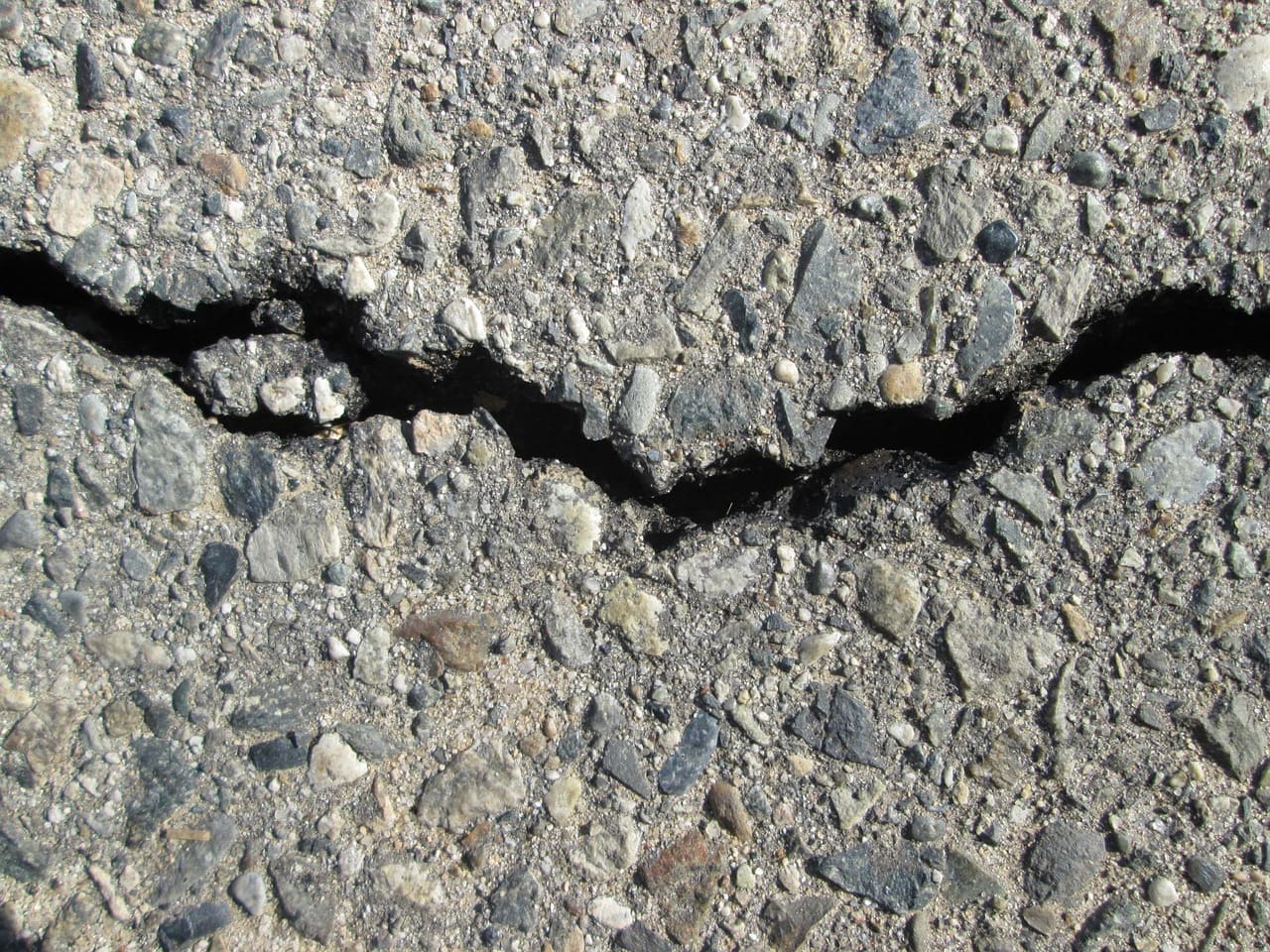
When do you need asphalt repair, and when don't you?
Repair makes sense when the damage is limited to certain areas and the rest of the pavement is still solid. Potholes, edge breaks, sunken spots and cracks that have opened up are all good candidates for patching.
Repair is not the right answer when cracking covers most of the surface, or when the whole area is crumbling and uneven. In that case you would be patching over and over, and resurfacing or replacement is the smarter move. We tell you which one fits when we look at it, even if that means a smaller job for us.
If the pavement is sound but just worn and faded, a coat of sealcoating after repairs can protect it going forward.
Signs your asphalt needs attention
Most homeowners and property managers notice the same things first:
Potholes and broken edges
Once the surface breaks through, loose stone and water get into the base. Potholes grow fastest after rain and cold nights, and they can damage tires and trip people on foot.
Sunken or low spots
A dip that holds water after a storm usually points to a weak base under the pavement. A surface patch alone won't hold there. The base has to be dealt with first.
Alligator cracking
Cracks that connect in a pattern like reptile skin mean the base is failing under the load. These areas need to be cut out and rebuilt, not just filled.
Long, open cracks
Single cracks wide enough to fit a finger or a pencil let water in. Sealing or filling them early costs far less effort than patching the hole they turn into.
How Tyler's weather and soil affect your pavement
Tyler gets about 42 inches of rain a year. Water is the main enemy of asphalt, because it seeps through cracks and weakens the stone base underneath. That's why we pay as much attention to drainage as we do to the patch itself.
Temperature matters too. The area sees about 98 days a year at or above 90°F, and hot pavement softens and wears faster, especially where cars turn or park. About 29 nights a year drop to freezing, so water that has gotten into a crack can freeze, expand and pry it wider.
The soil around central Tyler has a low shrink-swell potential. It does still expand when wet and shrink as it dries, so you won't see the dramatic movement you'd get in some Texas clay. But some movement still happens, and it can show up as edge cracks and low spots over time.
Age is a factor as well. About 53% of Tyler homes were built before 1980, so many driveways here have been through decades of weather and may have thin or tired bases.
Our asphalt repair process
Every job is a little different, but the steps below are how we approach most repairs.
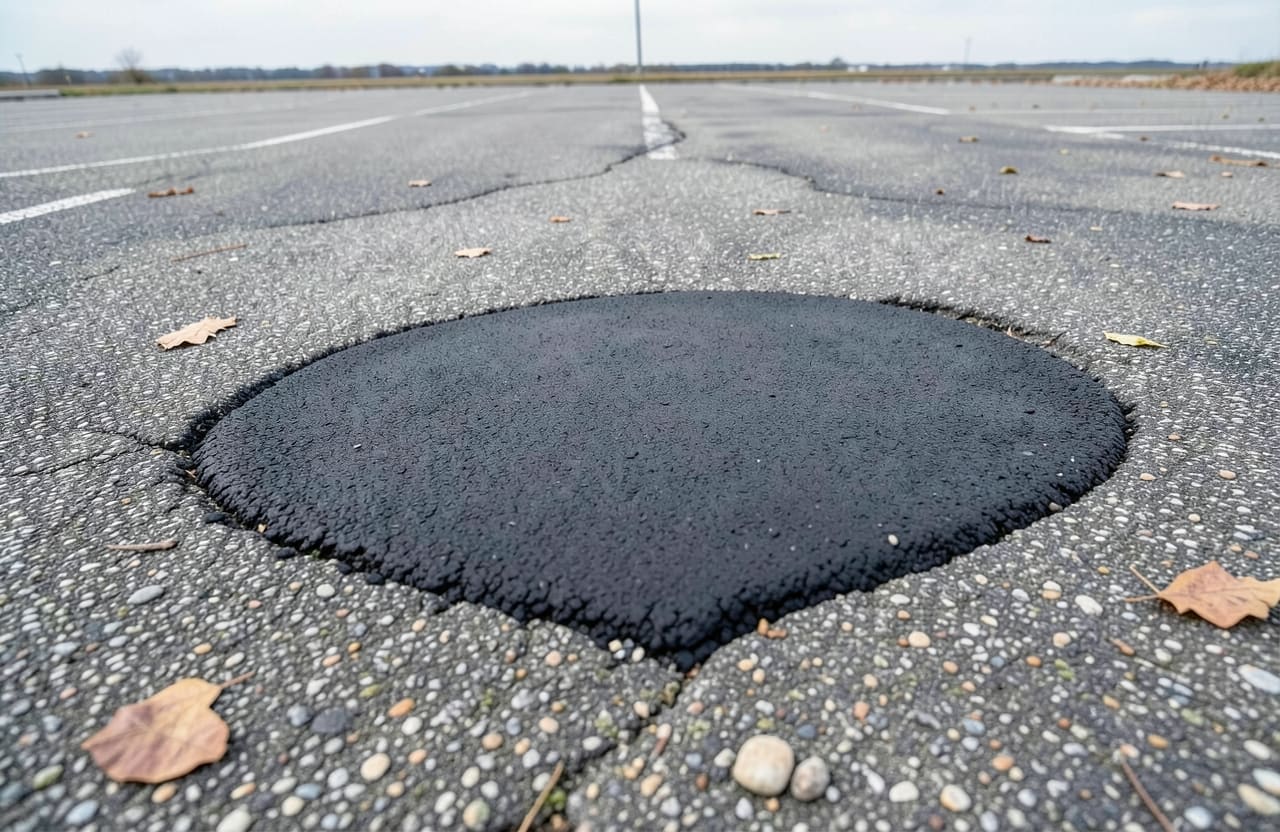
1. Inspect and mark the damage
We walk the pavement, mark the failed areas and check how water moves across the surface. We look for the cause, not just the hole.
2. Cut out and remove the bad material
For potholes and failed areas, we saw-cut clean edges and remove the broken asphalt. Cutting square edges gives the new patch something solid to bond to.
3. Fix the base
If the base is soft or wet, we remove it, replace it with fresh stone and compact it in layers. Skipping this step is the most common reason patches fail.
4. Place and compact new asphalt
We place hot mix asphalt, level it with the surrounding surface and compact it so the patch is dense and tight at the edges.
5. Fill cracks and finish up
Nearby cracks get cleaned and filled so water can't undermine the new work. We clean up the area before we leave.
What affects the cost of asphalt repair
Every repair is priced from the job in front of us. The main factors are:
- Size and number of areas. One pothole is a different job than a dozen patches scattered across a lot.
- Depth of the damage. A shallow surface fix is quicker than digging out a failed base.
- Access. Tight driveways or busy lots affect how equipment moves and how we schedule.
- Drainage problems. If water is causing the damage, fixing the slope or runoff adds work but keeps the repair from failing.
- Overall condition. If repairs would only delay the inevitable, we'll talk through resurfacing as an option.
Most jobs require prior inspection for an accurate scope of work. Get in touch with us!
Questions about asphalt repair and patching
Here are the questions we hear most often. More answers are on our FAQ page.
Can you patch a pothole in cold or wet weather?
Wet pavement and standing water make for poor repairs, so we prefer dry conditions. With only about 29 freezing nights a year in the Tyler area, there's usually plenty of workable weather for lasting repairs.
Is a patch a permanent fix?
A patch done right, with a solid base and tight edges, can last for years. If the cause was poor drainage and it isn't corrected, the damage will return.
Will the patch match the rest of my driveway?
New asphalt is darker than older, faded pavement, so a patch will be visible at first. It blends in as it weathers. For a uniform look, sealcoating or an overlay across the whole surface works better.
Do you repair parking lots too?
Yes. We repair lots for property managers and business owners, and can follow up with parking lot striping once the pavement is fixed.
Should I repair or replace?
If damage is isolated and the base is mostly sound, repair is the sensible route. If most of the surface is cracked or sinking, replacing it with new driveway paving or a parking lot usually makes more sense.
Ready to talk it through?
Tell us about the job. No obligation.